Committed to Eye Care with Compassion, Technology and Competency

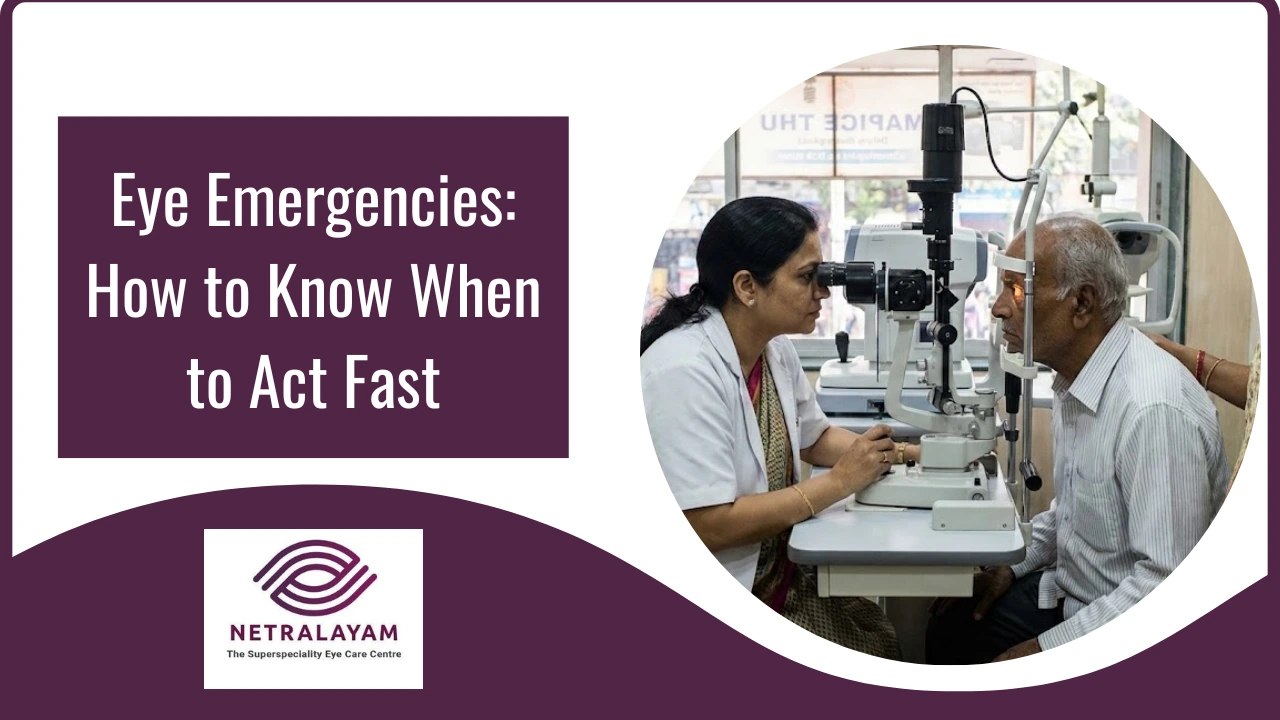
Eye Emergencies: How to Know When to Act Fast


Eye Emergencies: How to Know When to Act Fast

Eye Care

1/22/2026


Your eyes are among the most delicate organs in your body, yet they are often the ones we take for granted, until something goes wrong. When it comes to your sight, the difference between a full recovery and permanent vision loss often comes down to a matter of minutes.

Many people make the mistake of "waiting it out" or attempting to self-treat with over-the-counter drops, hoping the redness or pain will subside by morning. However, an eye emergency is a medical crisis that requires immediate professional intervention. In the world of ophthalmology, time is quite literally sight.

What Counts as an Eye Emergency?

An eye emergency is any event where your vision is threatened or your eye has sustained physical or chemical damage. While some symptoms like a "bloodshot eye" might seem minor, they can sometimes signal an underlying issue that could lead to irreversible damage if ignored. If you are asking yourself when to see an eye doctor urgently, the answer is usually: the moment you notice a sudden change.

Sudden Vision Loss

One of the most frightening experiences is a sudden change in how you see the world.

  • Complete or Partial Loss of Vision: Whether it is a total blackout, sudden blurring, or a sensation like a "dark curtain" falling across your field of vision, this is a top-tier emergency. These symptoms are often hallmarks of a retinal detachment or even stroke-related vascular issues.
  • Why Immediate Action Is Critical: The retina is the light-sensitive tissue at the back of the eye. If it detaches or loses blood flow, the cells begin to die within hours. Delaying emergency eye care in these instances can lead to permanent blindness that surgery may not be able to fix later.

Severe Eye Pain

While a "gritty" feeling might just be dryness, intense, deep-seated pain is a major red flag.

  • Pain With Redness or Light Sensitivity: This combination can indicate acute glaucoma (a sudden spike in eye pressure) or a severe internal infection.
  • Sharp Pain After Injury:  If you feel something hit your eye, you may have a corneal abrasion (a scratch on the surface) or a foreign body embedded in the globe, and knowing what to do when you have an eye injury can make a critical difference in protecting your vision.

Chemical Exposure to the Eyes

Accidents in the garage or under the kitchen sink can turn into a red eye emergency instantly.

  • Household Cleaners, Acids, or Alkalis: While acids cause immediate damage, alkali burns (found in drain cleaners or fertilizers) are especially dangerous because they continue to melt into the eye tissue even after the initial splash.
  • First Aid Steps to Take: If chemicals hit the eye, flush the eye immediately with clean, lukewarm water or saline for at least 15 minutes. Do not wait to find a doctor first, flush first, then rush to the emergency room, as chemical burns to the eyes involve significant risks and need prompt medical treatment.

Foreign Objects in the Eye

Small particles like dust are annoying, but materials like metal, wood, or glass are dangerous.

  • What NOT to Do: Never attempt to remove an object that appears to be stuck or embedded in the eyeball. Do not rub the eye, as this can cause the object to scratch the cornea further.
  • Action: Lightly tape a paper cup over the eye to protect it without applying pressure, and seek help immediately.

Flashes, Floaters, or Sudden Shadows

Seeing a few "cobwebs" or spots (floaters) is common as we age. However, a sudden explosion of new floaters, or seeing bright flashes of light like lightning bolts, suggests the retina is being torn. Without immediate evaluation, a retinal break can quickly progress to a full detachment.

Eye Injuries from Sports or Accidents

Blunt trauma, like being hit by a baseball or an elbow, can cause internal bleeding (hyphema) or orbital fractures. Seek care if you notice:

  • Double vision.
  • A "black eye" that includes blurry vision.
  • One pupil appeared larger than the other.

Eye Emergencies in Children

Children often lack the vocabulary to describe their pain. Parents should look for eye emergency symptoms such as:

  • Persistent rubbing or squinting.
  • Extreme sensitivity to light.
  • Unusual "cloudiness" in the pupil.
  • Crying or irritability following play with sharp toys or chemicals.

What to Do Before Reaching a Doctor (First Aid Guide)

  • Stay Calm: Keep the heart rate down to minimize internal eye pressure.
  • No Pressure: Do not press on or rub the eye.
  • No Home Remedies: Avoid "natural" drops or ointments.
  • Cover Lightly: Use a rigid shield (like a cup) rather than a soft cloth patch that presses on the lid.
  • Go: Head to the nearest emergency eye care center or ER.

When It’s NOT an Emergency

Not every eye issue is a crisis. You can usually wait for a standard appointment if you have:

  • Mild dryness or “grittiness.”
  • Itching caused by known seasonal allergies.
  • Occasional mild redness without pain or vision loss.

Prevention: How to Avoid Eye Emergencies

Most eye injuries are preventable. Always wear safety glasses when using power tools, mowing the lawn, or playing high-impact sports. Store household chemicals on low shelves and out of reach of children.

Quick Action Preserves Vision!

Eye emergencies rarely come with warning, but how you respond can determine the outcome. Taking sudden eye symptoms seriously and seeking prompt medical care can prevent permanent damage and protect your vision. When something feels wrong, trust your instincts, acting quickly is always safer than waiting and hoping symptoms will resolve on their own.

Act Fast to Protect Your Vision with Netralayam

Sudden eye pain, vision changes, or injuries should never be ignored. At Netralayam, our experienced eye specialists provide prompt, accurate emergency eye care to prevent complications and preserve your sight. With advanced diagnostics and compassionate care, we’re here when every moment matters.

Schedule an urgent consultation today and safeguard your vision with confidence.

Frequently Asked Questions About Eye Emergencies

1. Can an eye emergency cause permanent blindness if treated late?

Delayed treatment can permanently damage the retina, optic nerve, or cornea, increasing the risk of irreversible vision loss or complete blindness.

2. Should I go to an eye specialist or the emergency room for sudden eye problems?

Severe pain, vision loss, or injury requires immediate emergency care, followed by an eye specialist for accurate diagnosis and targeted treatment.

3. Are over-the-counter eye drops safe to use during an eye emergency?

Using over-the-counter drops without guidance may worsen infections or injuries, delay diagnosis, and mask serious eye emergency symptoms.

4. Can headaches or dizziness be a sign of an eye emergency?

Headaches or dizziness combined with vision changes, eye pain, or redness may signal glaucoma, nerve involvement, or neurological-related eye emergencies.

5. How do I know if my child is hiding or minimising eye pain after an injury?

Children may rub their eyes, avoid light, squint, become unusually irritable, or resist eye contact, indicating discomfort that needs prompt medical evaluation.

More Resources:


image

Netralayam

The mission of Netralayam is to provide tertiary level superspeciality eye care service of highest quality to all sections of the society through a team of competent, committed and compassionate professionals in a patient-friendly environment.


Leave a Reply

Your email address will not be published. Required fields are marked *

WhatsApp
scroll up