Committed to Eye Care with Compassion, Technology and Competency

Committed to Eye Care with Compassion, Technology and Competency
1/9/2026
Our eyes are often the first thing people notice about us, but they are far more than just aesthetic features. They are delicate organs protected by the complex mechanics of our eyelids. When eyelids begin to droop, turn inward, or sag outward due to age or injury, it’s more than just a cosmetic concern, it can affect your vision, comfort, and overall quality of life.
If you’ve noticed your eyelids aren’t functioning quite right, you might be wondering if lid repair surgery is the right path for you. While not every eyelid issue requires a trip to the operating room, understanding your options is the first step toward clearer vision and lasting comfort.
In the medical world, eyelid repair isn't a one-size-fits-all procedure. It generally falls into two categories: functional (to improve eye health and vision) and cosmetic (to improve appearance). Depending on the issue, an oculoplastic surgeon might perform one of several specialized procedures:
The primary goal is always the same: to restore the eyelid’s natural function, protect the eye, and, as a welcome bonus, refresh your appearance.
You might be a candidate for surgery if you experience chronic symptoms that don't respond to eye drops or minor treatments. Common signs include:
While age is a common factor as skin loses elasticity, health history and the severity of the obstruction play a major role in determining if surgery is necessary.
The journey begins with a comprehensive consultation. Your surgeon will evaluate your blink reflex, tear production, and the degree of eyelid laxity. They may even take specialized "visual field" photos to document how much your lids are interfering with your sight.
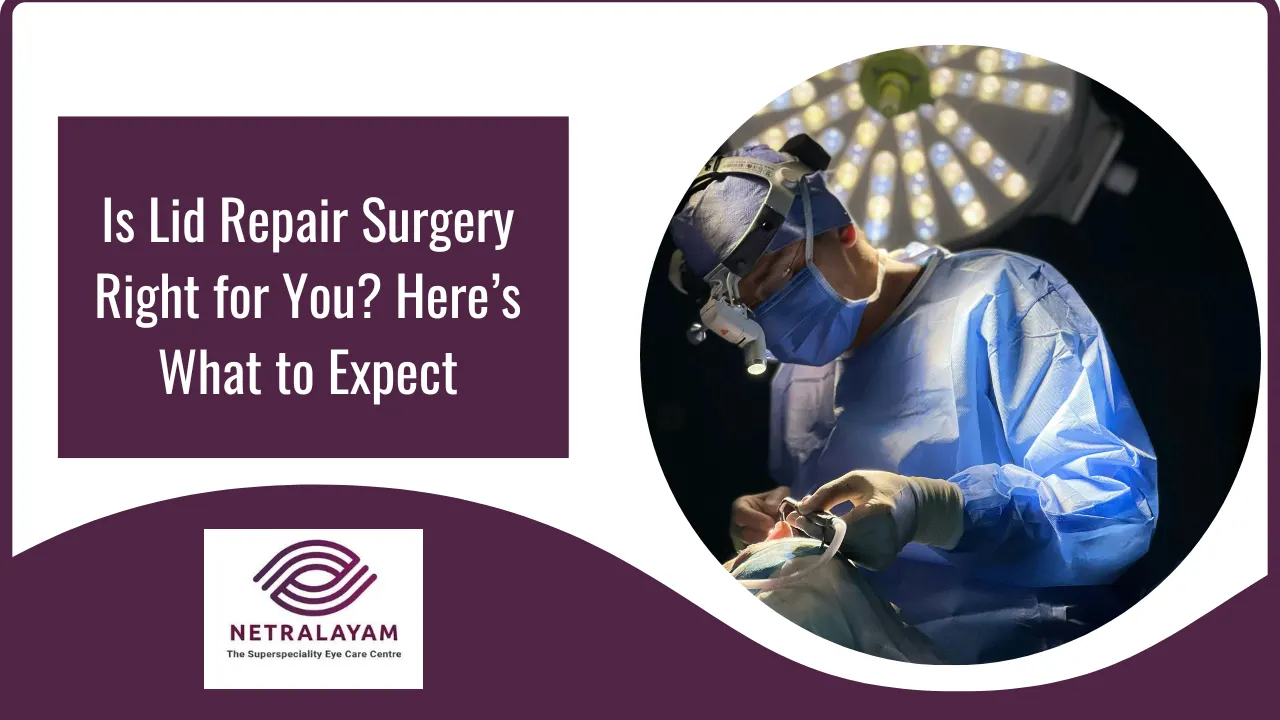
On the day of the procedure, you’ll typically receive local anesthesia with sedation, meaning you’ll be relaxed but not fully "under." The surgeon makes precise incisions, often hidden in the natural creases of the eye, to tighten muscles or remove excess tissue. The entire process is usually performed on an outpatient basis, meaning you can go home the same day.
While the surgery is relatively quick, patience is key during eyelid surgery recovery.
As with any medical procedure, there are eyelid surgery risks to consider. Common side effects include temporary blurred vision, dry eyes, and mild redness. While rare, more serious complications can include infection, noticeable scarring, or asymmetry. This highlights the importance of choosing a board-certified oculoplastic surgeon who specializes specifically in the delicate anatomy of the eye.
The results of a successful repair are often life-changing.
Surgery isn't always the first step. For very minor drooping, doctors may suggest eyelid exercises or specialized "eyelid tape" for temporary lift. However, these are "band-aid" solutions. If the issue is structural, like a weakened muscle or stretched skin, surgery is often the only permanent fix.
Ask yourself (and your doctor) these three questions:
Early intervention usually leads to better outcomes and prevents long-term damage to the cornea. If your eyelids are holding you back, it’s time to speak with a specialist.
Lid repair surgery can significantly improve vision, comfort, and appearance when eyelid problems interfere with daily life. If you notice persistent drooping, irritation, or changes in eyelid position, consulting an eye specialist is an important first step. Early action supports healthier eyes and more confident results.
Dealing with drooping eyelids, irritation, or eyelids turning in or out? Netralayam offers customized lid repair surgery designed to restore comfort, clarity, and confidence, guided by expert hands and modern techniques.
Book your personalized evaluation today.
Results are long-lasting and often permanent, especially when underlying structural issues are corrected and normal eyelid function is fully restored.
Lid repair surgery is commonly combined with procedures like blepharoplasty or cataract surgery, depending on eye health, goals, and surgeon recommendation.
Insurance coverage is often available when eyelid problems interfere with vision and medical documentation, including visual field testing, supports medical necessity.
Most patients resume makeup and contact lens use within two to three weeks, once swelling reduces and healing is confirmed by the surgeon.
Eligibility depends more on eye health and overall medical condition than age, making the procedure suitable for both younger and older patients.

Comments are closed