Committed to Eye Care with Compassion, Technology and Competency
Committed to Eye Care with Compassion, Technology and Competency
6/9/2026
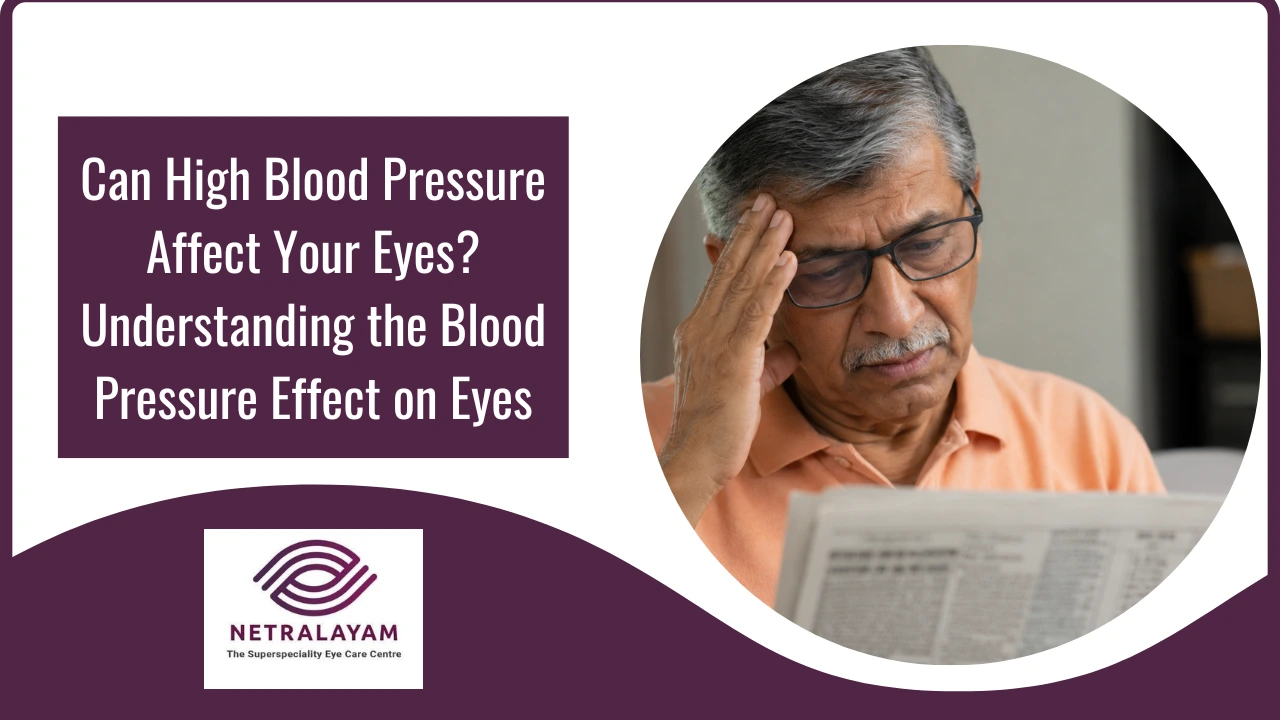
High blood pressure is usually discussed in relation to the heart, brain, and kidneys, but it can also affect the eyes. The retina, located at the back of the eye, contains delicate blood vessels that depend on healthy circulation. When blood pressure remains high for a long time, these vessels can become narrow, leaky, swollen, or damaged.
Understanding the blood pressure effect on eyes is important because eye damage may develop quietly in the early stages. Some people may not notice symptoms until the condition becomes more advanced. Regular eye check-ups can help detect blood pressure-related eye changes early and protect long-term vision.
Yes, high blood pressure can affect your eyes. Uncontrolled hypertension can damage the small blood vessels in the retina, leading to a condition called hypertensive retinopathy.
The American Academy of Ophthalmology’s EyeWiki explains that hypertensive retinopathy involves changes in retinal blood vessels caused by chronically elevated blood pressure. In severe cases, high blood pressure may also affect the optic nerve and cause swelling or sudden vision-related symptoms.
The risk is higher when blood pressure remains uncontrolled or when hypertension exists along with diabetes, kidney disease, smoking, or high cholesterol.
Hypertensive retinopathy is eye damage caused by high blood pressure. It affects the retina, which is responsible for receiving light and sending visual signals to the brain.
When blood pressure is high, retinal blood vessels may:
In mild cases, a person may not notice any symptoms. In more severe cases, vision may become blurry or distorted.
High blood pressure can affect eyesight in different ways depending on severity, duration, and associated health conditions.
High blood pressure-related eye changes may not cause symptoms early. However, you should consult an eye specialist if you experience:
If vision loss is sudden or severe, seek urgent medical care.
The risk of blood pressure-related eye damage is higher in people with:
People with both diabetes and high blood pressure need extra care because both conditions can damage retinal blood vessels.
Eye doctors can often detect blood pressure-related retinal changes through a detailed eye examination.
Tests may include:
Protecting your eyes starts with controlling blood pressure and maintaining overall health.
1. Control Blood Pressure: Follow your physician’s advice for blood pressure monitoring and medicines. Do not stop or change medicines without medical guidance.
2. Maintain a Healthy Lifestyle: Healthy habits can support both heart and eye health. These include:
3. Manage Other Health Conditions: Diabetes, cholesterol, kidney disease, and heart disease can increase the risk of eye complications. Regular follow-up and treatment are important.
4. Schedule Regular Eye Check-Ups: People with hypertension should not wait for vision problems to appear. Regular eye examinations can help detect early retinal changes and guide timely care.
You should see an eye doctor if you have:
A routine eye examination can reveal early damage before vision is seriously affected.
High blood pressure can silently affect the eyes by damaging the small blood vessels in the retina and, in severe cases, affecting the optic nerve. Since early changes may not cause symptoms, regular eye check-ups are important for people with hypertension, diabetes, or vascular risk factors.
At Netralayam you can receive comprehensive eye evaluation, retina assessment, OCT, retinal imaging, and specialised eye care for blood pressure-related vision concerns. If you have hypertension or notice blurred vision, headaches with visual symptoms, or sudden vision changes, schedule an eye consultation to protect your long-term eyesight.
Yes, uncontrolled high blood pressure can damage retinal blood vessels and, in severe cases, may contribute to vision loss. Early detection and proper blood pressure control can reduce the risk.
Early stages may not cause symptoms. Some people may later notice blurred vision, double vision, headaches with visual changes, or sudden vision disturbances.
Yes, high blood pressure can cause blurry vision if it affects retinal blood vessels, causes swelling, or reduces blood flow. However, blurry vision can also have many other causes.
The frequency depends on blood pressure control, age, diabetes status, and retinal findings. Your eye doctor can recommend the right schedule after examination.
Mild changes may improve with better blood pressure control, but advanced changes may not fully reverse. Early detection and regular eye check-ups are important.



Leave a Reply Cancel reply